

OWP
Hand-Crafted Plush Cotton Pig Ornament-Recycled Fashions-Fair Trade-Guatemala
Hand-Crafted Plush Cotton Pig Ornament-Recycled Fashions-Fair Trade-Guatemala
No se pudo cargar la disponibilidad de retiro
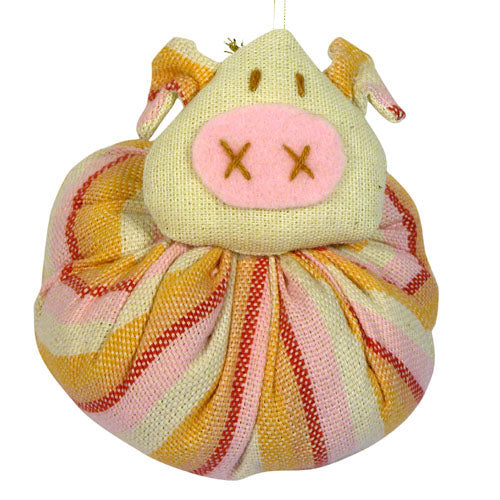
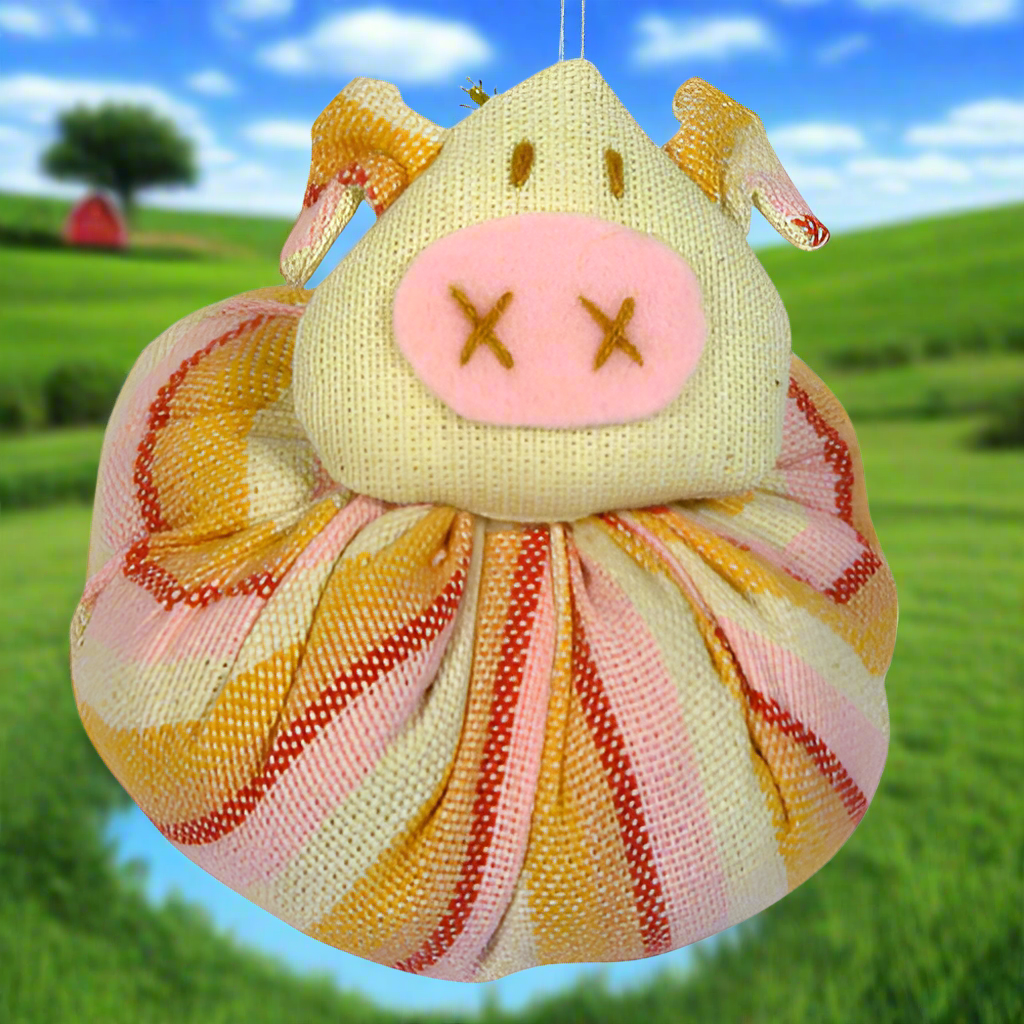
This bright, handcrafted plush cotton Pig ornament is sure to bring the joy and happiness of the season to your home this holiday. I mean really, what is more adorable and loving than an overstuffed fat plush Pig?
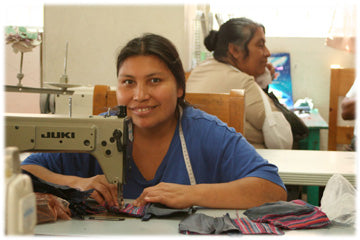
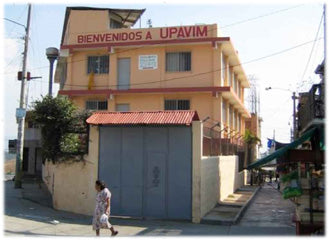
These cute cotton Pig ornaments are handmade by female artisans from the UPAVIM cooperative on the outskirts of Guatemala City. UPAVIM, which stands for United for a Better Life, is an 80-member artisan enterprise helping women through social and economic empowerment. In addition to training women in creating various handmade textiles, UPAVIM has established a school, a pharmacy, and a bakery within their cooperative.
- Measures 3” high x 3” wide x 3” long
Handmade in Guatemala and Fair Trade imported.
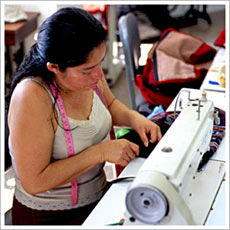
UPAVIM Crafts is a cooperative of women who live in marginalized communities on the outskirts of Guatemala City. The women in the organization are mothers, homemakers, widows and some have been abandoned by their families. Many of them are the sole bread winners for their families. Unidas Para Vivir Mejor(United for A Better Life, or UPAVIM) was established in 1989 to create jobs for these women and to establish facilities of health-care, education and other social issues to benefit the community they lived in. Over the years, UPAVIM has grown from a small community health project to about a 80 member business cooperative. The organization employs teachers, seamstresses, nurses, administrators, cooks, cleaners and secretaries each of whom is paid a fair wage and is linked to UPAVIM ‘s fair trade business.
Amongst some of the achievements, In 2002 the cooperative was awarded the best Non-traditional Textile Exporter award by AGEXPRONT, a national trade organization, also UPAVIM’s Montessori school was recognized by the Guatemalan government.
The main product line made by these women artisans includes bags, purses, wallets, aprons and holiday ornaments, most of these products are made from the traditionally woven Mayan textiles which are locally available. By procuring the traditional textiles, the organization also helps promote traditional weavers of the region and brings a local flavor and uniqueness to their products. This also cuts down the role of middlemen and creates a chain of fair wages and fair prices - from the weaver, to the seamstress, to the customer.
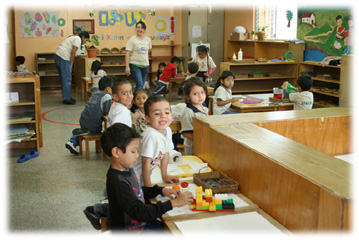
Apart from craft making, UPAVIM also initiated other small scale businesses which include a bakery, soy milk factory, and an internet center. The main aim was to increase the means of employment for the community members of La Esperanza, so that they can gain optimum benefits from the program.
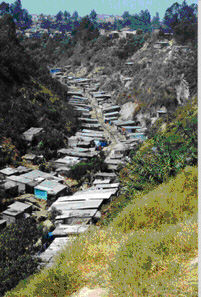 The cooperative is located in a squatter settlement called La Esperanza (Hope), where every day the communities faced various social challenges including gang violence, illiteracy, unemployment, malnutrition, alcoholism, child abuse and drug abuse. Even though the challenges for community growth in an area that receives little government attention may be high, but today after 2o odd years and initiatives by UPAVIM and the women, the conditions have changed for the better in this “City of Hope”.
About the Artisans
About the Artisans
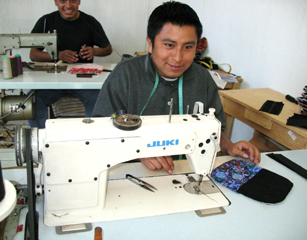 Ingrese a De Colores Art, una empresa local que nivela el campo de juego para los aldeanos al ofrecer capacitación gratuita a cualquiera que demuestre la iniciativa de aprender un oficio. La empresa emplea a 30 mujeres y 18 hombres para tejer y bordar productos textiles, con la opción de trabajar desde casa utilizando materiales proporcionados por la empresa. De Colores reconoce la cultura de sus empleados mayas, por lo que permite flexibilidad horaria y da tiempo libre para los días de siembra y cosecha.
De Colores también invierte en proyectos de educación comunitaria financiando dos escuelas locales en los pueblos vecinos de Chujupen y Pachoj y ofreciendo becas a estudiantes que califiquen.
Además de estimular la economía local mediante la creación de nuevos puestos de trabajo, De Colores hace un esfuerzo consciente por utilizar materiales reciclados siempre que sea posible. La razón de esto es doble: preservar la cultura maya, ya que los textiles reciclados muestran patrones de tejido tradicionales que no se ven a menudo en los textiles más nuevos, y reducir los desechos y el desperdicio.
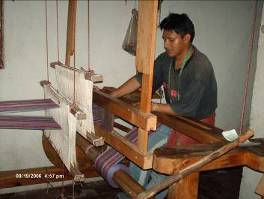
Las comunidades colaboran en el proceso de producción, ya que los hombres trabajan en los textiles más grandes y las mujeres hacen el bordado, el crochet y el macramé que se ven en piezas más pequeñas. En algunos casos, para ser competitivos, se utilizan máquinas de coser para ensamblar el producto terminado, aunque todos los componentes están hechos a mano y bordados a mano en algodón, lana y/o seda.