


One World Projects
Tagua Slice Earrings
Tagua Slice Earrings
No se pudo cargar la disponibilidad de retiro
Tagua nuts, also known as vegetable ivory, come from the tagua palm tree of the Ecuadorian rainforest. Each earring is produced from a slice of the nut that has been dyed with natural plant-based dyes. These earrings also include glass beads and stainless-steel findings. They make a bold statement that shows the world there are better choices that we can all make when shopping. They are a conversation starter, and you can share the Tagua story of how these nuts are helping to keep real ivory where it belongs.You will look stunning in these bold, eco-friendly and fashion forward earrings.
- Pendant Measures - 2'' h x 1 1/4'' W
- Earring Measures - 2 3/4'' drop
- Stainless steel Findings
Handmade in Colombia and fair trade imported.

Piel Acida is an artisan based organization located in the urban city of
Piel Acida employs more than 12 artisans who work in their factory and approximately 30 more artisans that work from their home permitting women to help support their families while caring for their children. While Piel Acida employs both men and women, the majority of workers are women providing needed income-generating opportunities for women in

Apart from the artisans that Piel Acida directly employs, it also supports indirectly many others who are part of their supply chain for raw materials which include orange peels, tagua nuts, mazorca leaves, and wood. These natural materials are made into beautiful and innovative products by artisans at Piel Acida, as they seek to develop the artisan-based handicraft sector in
About the Artisans
About the Artisans
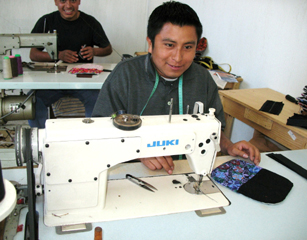 Ingrese a De Colores Art, una empresa local que nivela el campo de juego para los aldeanos al ofrecer capacitación gratuita a cualquiera que demuestre la iniciativa de aprender un oficio. La empresa emplea a 30 mujeres y 18 hombres para tejer y bordar productos textiles, con la opción de trabajar desde casa utilizando materiales proporcionados por la empresa. De Colores reconoce la cultura de sus empleados mayas, por lo que permite flexibilidad horaria y da tiempo libre para los días de siembra y cosecha.
De Colores también invierte en proyectos de educación comunitaria financiando dos escuelas locales en los pueblos vecinos de Chujupen y Pachoj y ofreciendo becas a estudiantes que califiquen.
Además de estimular la economía local mediante la creación de nuevos puestos de trabajo, De Colores hace un esfuerzo consciente por utilizar materiales reciclados siempre que sea posible. La razón de esto es doble: preservar la cultura maya, ya que los textiles reciclados muestran patrones de tejido tradicionales que no se ven a menudo en los textiles más nuevos, y reducir los desechos y el desperdicio.
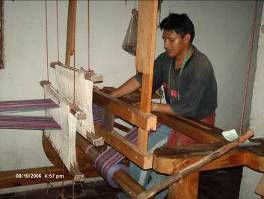
Las comunidades colaboran en el proceso de producción, ya que los hombres trabajan en los textiles más grandes y las mujeres hacen el bordado, el crochet y el macramé que se ven en piezas más pequeñas. En algunos casos, para ser competitivos, se utilizan máquinas de coser para ensamblar el producto terminado, aunque todos los componentes están hechos a mano y bordados a mano en algodón, lana y/o seda.


