

OWP
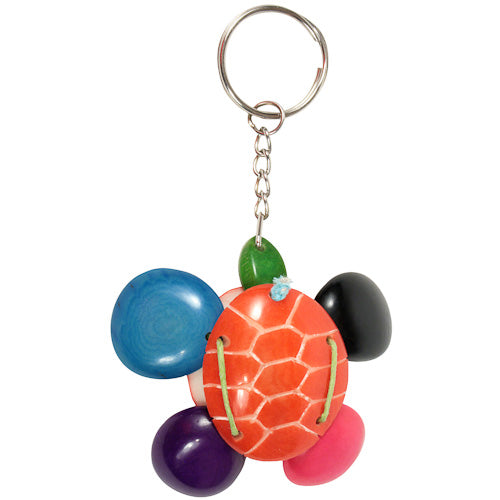
Handmade Tagua Nut Keychain - Turtle- Vegetable Ivory-Fair Trade-Ecuador
Handmade Tagua Nut Keychain - Turtle- Vegetable Ivory-Fair Trade-Ecuador
Couldn't load pickup availability
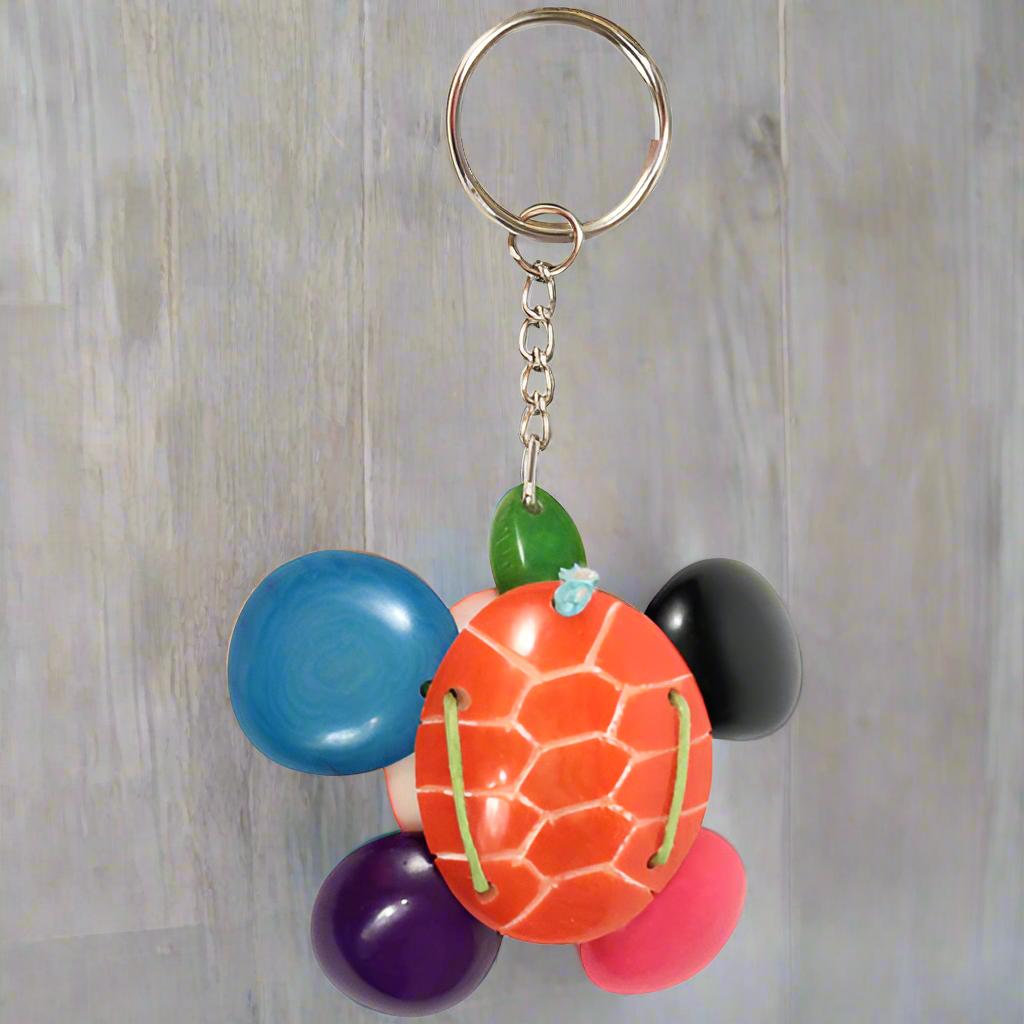
These Multi-Colored Tagua Turtle Keychains are handmade at the artisan workshop known as Naya Nayon. Tagua is considered the vegetable form of ivory, and a safe and eco-friendly alternative to Ivory! Every Doll keychain is unique as color patterns will vary as well as the actual grain patterns on the tagua itself! These keychains make for a wonderful addition to your key ring for any turtle lover.
- These Keychains measure 4-1/2" Tall x 2-1/2" wide.
Handmade and Fair Trade Imported from Ecuador.
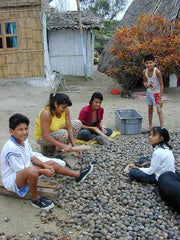
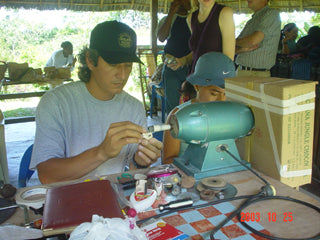
Despite their humble backgrounds, many of Naya Nayon's artisans are highly educated with university degrees in engineering, law, business, and medicine. Unfortunately, Ecuador's shaky economy means jobs are scarce, even for highly qualified professionals. Thankfully, Tagua nut carving has emerged as a sustainable alternative and is often the primary source of income for an artisan's family.
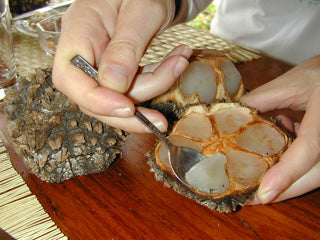
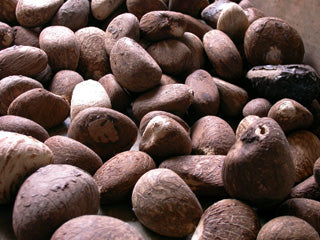
We encourage you to help save rainforests by considering a Tagua nut purchase. Please read our extended description below by clicking "About the Artisans" for more information on how tagua nut carvings are made, and how they have helped save thousands of acres of rainforest and wildlife habitat.
About the Artisans
About the Artisans
Chichicastenango, Guatemala, has become one of the most important heritage centers in Guatemala during the past 10 years, due to its predominant indigenous Maya Quiche population and their traditional textile products. Yet, despite increased tourism and a renewed interest in traditional Mayan crafts, work opportunities remain few for the indigenous population, many of whom are uneducated and otherwise unemployable.
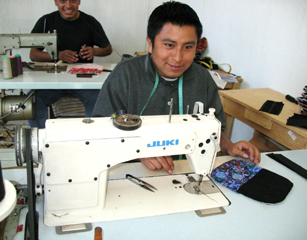 Enter De Colores Art, a local business that levels the playing field for villagers by offering free training to anyone who demonstrates the initiative to learn a trade. The company employs 30 women and 18 men to knit and embroider textile products, with the option of working at home using materials provided by the company. De Colores recognizes the culture of its Mayan employees, and as such allows flexible hours and gives time off for sowing and harvest days.
De Colores also invests in community education projects by funding two local schools in the neighboring towns of Chujupen y Pachoj, and by providing scholarships to qualifying students.
In addition to stimulating the local economy by creating new jobs, De Colores makes a conscious effort to use recycled materials whenever possible. The reason for this is twofold: to preserve Mayan culture, as recycled textiles showcase traditional knitting patterns that aren’t often seen in newer textiles, and to reduce scraps and waste.
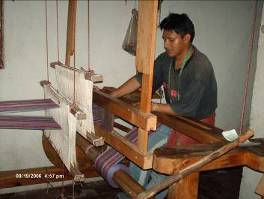
Communities collaborate in the production process, as men work on the biggest textiles and women do the embroidery, crochet and macramé seen in smaller pieces. In some cases, in order to be competitive, sewing machines are used to assemble the finished product, although all the components are handmade and hand embroidered from cotton, wool and/or silk.