


One World Projects
Huipil Handbag
Huipil Handbag
Couldn't load pickup availability
Wear your heart on your shoulder with a handbag that's been artisan-crafted from colorful huipils (wee-peels), the traditional blouse worn by Mayan women in Guatemala. To the knowledgeable observer, a huipil identifies a woman's village, social and marital status, religious background, wealth, and individual personality, and a well-woven huipil can last 20 to 30 years before it's sold at market to start its second life as a rag, quilt, or handbag.
- Meaures 14" high x 13" wide
- Magnetic clasp closure
- Lined with interior pocket for added organization
- Available in Flower, Geometric, or Geometric & Flower patterns
Since these items are created from many different blouses, designs and styles will vary. Handmade in Guatemala and fair trade imported.
Guatemala
Chichicastenango, Guatemala, has become one of the most important heritage centers in Guatemala during the past 10 years, due to its predominant indigenous Maya Quiche population and their traditional textile products. Yet, despite increased tourism and a renewed interest in traditional Mayan crafts, work opportunities remain few for the indigenous population, many of whom are uneducated and otherwise unemployable.
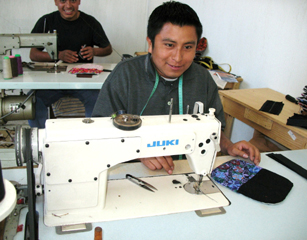 Enter De Colores Art, a local business that levels the playing field for villagers by offering free training to anyone who demonstrates the initiative to learn a trade. The company employs 30 women and 18 men to knit and embroider textile products, with the option of working at home using materials provided by the company. De Colores recognizes the culture of its Mayan employees, and as such allows flexible hours and gives time off for sowing and harvest days.
De Colores also invests in community education projects by funding two local schools in the neighboring towns of Chujupen y Pachoj, and by providing scholarships to qualifying students.
In addition to stimulating the local economy by creating new jobs, De Colores makes a conscious effort to use recycled materials whenever possible. The reason for this is twofold: to preserve Mayan culture, as recycled textiles showcase traditional knitting patterns that aren’t often seen in newer textiles, and to reduce scraps and waste.
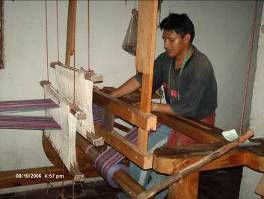
Communities collaborate in the production process, as men work on the biggest textiles and women do the embroidery, crochet and macramé seen in smaller pieces. In some cases, in order to be competitive, sewing machines are used to assemble the finished product, although all the components are handmade and handembroidered from cotton, wool and/or silk.
About the Artisans
About the Artisans
“From The Mayan People To You” – De La Selva, located near La Antigua in San Juan del Obispo Guatemala, is a producer and global exporter of high-quality Mayan and Guatemalan handicrafts. The organization began its journey as an exporter of Guatemalan handicrafts in 1991 and after 19 years of hard work, team support, and market development, the company has evolved to approximately 35 staff members who work from the main office situated in San Juan del Obispo.
 De La Selva works with artisans from all over this diverse country; each artisan is known for making a specific handicraft. Some of their popular product lines include the Mayan worry dolls, crochet stress balls, glass beaded jewelry, woven friendship bracelets, and miniature ceramics.
Apart from being a successful craft exporter, De La Selva plays other important roles in the lives of these artisans and their communities. Most importantly, the organization provides a market to artisans for their crafts which helps to supplement the income they receive from farming. De La Selva also partners with donors and developmental agencies from all over the world to make a difference in the socio-economic status of it’s producer artisans. Through various efforts, De La Selva has been able to achieve commendable results in providing basic infrastructure for far flung communities in Guatemala where their artisans reside including: local school facilities, cleaner drinking water, waste management, and other services. The journey does not end here and there are many more parallel developmental projects that the organization is working around. The De La Selva team along with it’s many supporters dream of making these indigenous communities self-sufficient so that they and their families are able to lead a better life.

www.lowcountryfairtrade.com


