


One World Projects
Handwoven Angel of Hope Ornament
Handwoven Angel of Hope Ornament
No se pudo cargar la disponibilidad de retiro
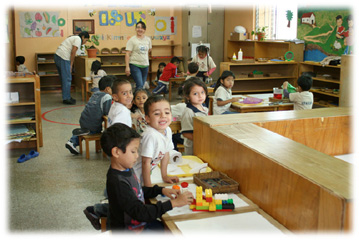
This Angel of Hope ornament was made by impoverished Guatemalan who live on the outskirts of Guatemala City in a slum called "Esperanza" (hope). By working together these women have developed a community medical clinic, a dental clinic, a scholarship and tutoring program for their children, an infant growth-monitoring program, a breast-feeding promotion program, a daycare center with Montessori-trained teachers, and a crafts project that generates income for the individual women and for the community programs. Most importantly, they have maintained a spirit of hope, which many in similar circumstances lost long ago.
May this angel inspire the hope and faith you need to live a full, productive, and peaceful life.
- Measures 3-1/4" high x 3" wide x 2-1/2" deep
- Available in Blue, Pink and Red Tones
Handmade in Guatemala and Fair Trade Imported
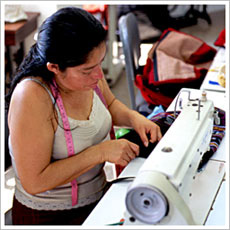
UPAVIM Crafts is a cooperative of women who live in marginalized communities on the outskirts of
Amongst some of the achievements, In 2002 the cooperative was awarded the best Non-traditional Textile Exporter award by AGEXPRONT, a national trade organization, also UPAVIM’s Montessori school was recognized by the Guatemalan government.
The main product line made by these women artisans includes bags, purses, wallets, aprons and holiday ornaments, most of these products are made from the traditionally woven Mayan textiles which are locally available. By procuring the traditional textiles, the organization also helps promote traditional weavers of the region and brings a local flavor and uniqueness to their products. This also cuts down the role of middlemen and creates a chain of fair wages and fair prices - from the weaver, to the seamstress, to the customer.
Apart from craft making, UPAVIM also initiated other small scale businesses which include a bakery, soy milk factory, and an internet center. The main aim was to increase the means of employment for the community members of La Esperanza, so that they can gain optimum benefits from the program.
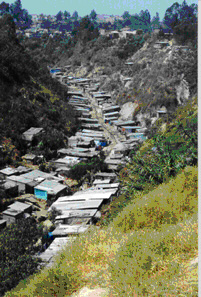 The cooperative is located in a squatter settlement called La Esperanza (Hope), where every day the communities faced various social challenges including gang violence, illiteracy, unemployment, malnutrition, alcoholism, child abuse and drug abuse. Even though the challenges for community growth in an area that receives little government attention may be high, but today after 2o odd years and initiatives by UPAVIM and the women, the conditions have changed for the better in this “City of
About the Artisans
About the Artisans
UPAVIM Crafts es una cooperativa de mujeres que viven en comunidades marginadas en las afueras de la Ciudad de Guatemala. Las mujeres de la organización son madres, amas de casa, viudas y algunas han sido abandonadas por sus familias. Muchos de ellos son los únicos sostén de sus familias. Unidas Para Vivir Mejor (Unidos por una Vida Mejor, o UPAVIM) se estableció en 1989 para crear empleos para estas mujeres y establecer instalaciones de atención médica, educación y otros temas sociales para beneficiar a la comunidad en la que vivían. A lo largo de los años, UPAVIM ha pasado de ser un pequeño proyecto de salud comunitaria a una cooperativa empresarial de aproximadamente 80 miembros. La organización emplea profesores, costureras, enfermeras, administradores, cocineros, limpiadores y secretarias, cada uno de los cuales recibe un salario justo y está vinculado al negocio de comercio justo de UPAVIM.
Entre algunos de los logros, en 2002 la cooperativa recibió el premio al mejor exportador de textiles no tradicionales otorgado por AGEXPRONT, una organización comercial nacional, además la escuela Montessori de UPAVIM fue reconocida por el gobierno de Guatemala.
La principal línea de productos elaborada por estas artesanas incluye bolsos, carteras, carteras, delantales y adornos navideños; la mayoría de estos productos están hechos de textiles mayas tejidos tradicionalmente que están disponibles localmente. Al adquirir los textiles tradicionales, la organización también ayuda a promover a los tejedores tradicionales de la región y aporta un sabor local y singularidad a sus productos. Esto también reduce el papel de los intermediarios y crea una cadena de salarios y precios justos, desde el tejedor hasta la costurera y el cliente.
Además de la fabricación de artesanías, UPAVIM también inició otros negocios a pequeña escala que incluyen una panadería, una fábrica de leche de soja y un centro de Internet. El objetivo principal fue aumentar los medios de empleo para los miembros de la comunidad de La Esperanza, para que puedan obtener beneficios óptimos del programa.
La cooperativa está ubicada en un asentamiento ilegal llamado La Esperanza, donde cada día las comunidades enfrentaban diversos desafíos sociales, incluyendo violencia de pandillas, analfabetismo, desempleo, desnutrición, alcoholismo, abuso infantil y abuso de drogas. Aunque los desafíos para el crecimiento comunitario en un área que recibe poca atención del gobierno pueden ser altos, hoy, después de 20 años e iniciativas de UPAVIM y las mujeres, las condiciones han cambiado para mejor en esta “Ciudad de la Esperanza”.


