One World Projects
Cinnamon Boxes w/ Dragons
Cinnamon Boxes w/ Dragons
No se pudo cargar la disponibilidad de retiro
Made entirely from cinnamon bark, these boxes are traditionally used to store and keep loose tea fresh, or as gift boxes. The fragrance of cinnamon has numerous beneficial properties making it popular with many aromatherapist. Because of its pleasant, warm, and strong aroma cinnamon is often an ingredient in many potpourris and room fresheners.
This small cylindrical box with a traditional dragon symbol carved on the lid and sides is an excellent curio for keeps. Dragons are a symbol of the emperor in Vietnamese ancient culture and mythology, as well a symbol of prosperity. The Cassia or cinnamon trees that are used to produce these boxes are a renewable resource and sustainable harvested.
-
Large Measures 6 1/8” high x 3 5/8” diameter
-
Medium Measures 4 3/8'' high x 2 7/8'' diameter
-
Small Measures 3'' high x 2 7/8'' diameter
Handmade in Vietnam and fair trade imported.
Famous for spice, Cinnamon is obtained from the dried inner bark of an evergreen tree which belongs to the Cinnamomum genus. During ancient times, cinnamon was considered a precious possession, and was often given as a gift to kings or gods. Historical evidence claim that cinnamon was presented at the temples of the Greek Roman gods Apollo and Miletus. In modern times, cinnamon is used as a very important spice/condiment in various cuisines across the world.
Cinnamon is yielded by growing the tree for a span of 2-3 years and then coppicing it. Coppicing, a traditional method of woodland management, is the process of cutting the tree to the ground level and allowing it to grow again. The trees naturally reshoot from their stumps or roots, thus the tree is unharmed and regains its matured size. Cinnamon trees can yield productive barks for about 45 years, after which they are required to be replaced with a new seedling. Coppicing becomes an environmentally-sustainable way to harvest cinnamon bark again-and-again from the same tree.
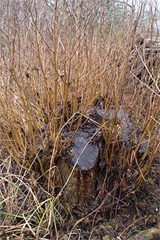
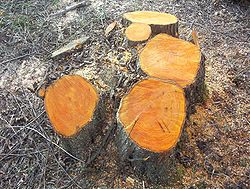
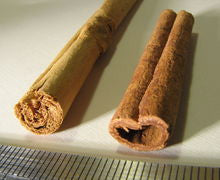
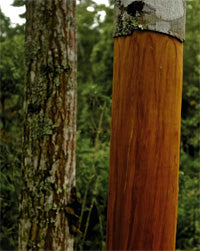
The bark is immediately processed after harvesting, while it is still wet. The outer hard cover is scraped out and beaten evenly to loosen out the inner bark - the real spice. Once peeled, the bark is placed in extended layers and then rolled to form quills. These are further sun dried; the dried barks curl up and are cut into smaller sticks, ready to be sold.
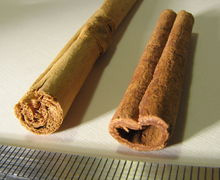
There are many health benefits to eating and smelling cinnamon. Cinnamon is a great source of manganese, fiber, iron and calcium. It is a natural food preservative, when added to food, it helps to inhibit bacterial growth and food spoilage. Cinnamon has been studied for helping arthritis, anti-clotting effect, and blood sugar balancing. The great news is that smelling cinnamon has been shown to boost cognitive function and memory.
So place these cinnamon boxes throughout your home!
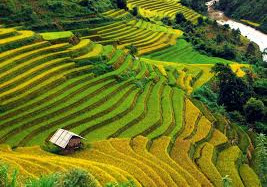
Yen Bai, in the mountainous north central province of Vietnam is well known for its terraced fields of rice, mines of marble stone, and for its forests of cinnamon trees. Here in Yen Bai, many families work together harvesting cinnamon bark and follow a tradition of making crafts that has been handed down for generations.
Both men and women work together, with the average age being between 20 and 35 years, making boxes and other crafts from cinnamon bark. Traditionally, this segment of society represented the rural poor, but through fair trade organizations, like Au Lac Designs, they are receiving training, input on new designs, and marketing support for their products. Producing value added crafts from cinnamon bark is more profitable than exporting the bark as an agricultural product and provides the artisans with their primary means of support; Au Lac pays them a fair wage for their crafts which helps them support their families, provide education for their children, and improve their life.
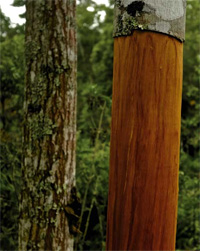
Farmers in the Yen Bai province have been planting forests as a means to increase their economic potential; with nearly 15,000 hectares of trees being planted each year, it is also a province with some of the largest forests in Vietnam. The cinnamon tree is one of the choice plantation trees because of the economic benefits of its inner bark. After only 6 years a mature tree can be harvested, the tree is cut to the ground, but the stump sprouts new branches and within four years it ready to again be harvested making the cinnamon tree an important renewable resource.
About the Artisans
About the Artisans
Historia artesanal de Au Lac - Vietnam
Famosa por sus especias, la canela se obtiene de la corteza interior seca de un árbol de hoja perenne que pertenece al género Cinnamomum. En la antigüedad, la canela se consideraba una posesión preciosa y, a menudo, se regalaba a reyes o dioses. La evidencia histórica afirma que la canela se presentaba en los templos de los dioses griegos romanos Apolo y Mileto. En los tiempos modernos, la canela se utiliza como especia/condimento muy importante en diversas cocinas de todo el mundo.
La canela se obtiene haciendo crecer el árbol durante un lapso de 2 a 3 años y luego recortándolo. El rebrote, un método tradicional de manejo de bosques, es el proceso de cortar el árbol hasta el nivel del suelo y permitirle crecer nuevamente. Los árboles vuelven a brotar naturalmente de sus tocones o raíces, por lo que el árbol queda ileso y recupera su tamaño maduro. Los árboles de canela pueden producir cortezas productivas durante unos 45 años, después de lo cual es necesario reemplazarlas con una nueva plántula. El rebrote se convierte en una forma ambientalmente sostenible de cosechar la corteza de canela una y otra vez del mismo árbol.
La corteza se procesa inmediatamente después de la cosecha, mientras aún está húmeda. La cubierta dura exterior se raspa y se golpea uniformemente para aflojar la corteza interior: la verdadera especia. Una vez pelada, la corteza se coloca en capas extendidas y luego se enrolla para formar púas. Estos se secan aún más al sol; las cortezas secas se enrollan y se cortan en palitos más pequeños, listos para venderse.
Hay muchos beneficios para la salud al comer y oler la canela. La canela es una gran fuente de manganeso, fibra, hierro y calcio. Es un conservante de alimentos natural que, cuando se agrega a los alimentos, ayuda a inhibir el crecimiento bacteriano y el deterioro de los alimentos. Se ha estudiado que la canela ayuda a la artritis, tiene efectos anticoagulantes y equilibra el azúcar en sangre. La buena noticia es que se ha demostrado que oler canela mejora la función cognitiva y la memoria.
¡Así que coloca estas cajas de canela por toda tu casa!
Yen Bai, en la montañosa provincia central norte de Vietnam, es conocida por sus campos de arroz en terrazas, minas de piedra de mármol y sus bosques de canelos. Aquí en Yen Bai, muchas familias trabajan juntas cosechando corteza de canela y siguen una tradición de elaboración de artesanías que se ha transmitido de generación en generación.
Tanto hombres como mujeres trabajan juntos, con una edad promedio de entre 20 y 35 años, elaborando cajas y otras artesanías con corteza de canela. Tradicionalmente, este segmento de la sociedad representaba a los pobres de las zonas rurales, pero a través de organizaciones de comercio justo, como Au Lac Designs, reciben capacitación, aportaciones sobre nuevos diseños y apoyo de marketing para sus productos. Producir artesanías con valor agregado a partir de corteza de canela es más rentable que exportar la corteza como producto agrícola y proporciona a los artesanos su principal medio de sustento; Au Lac les paga un salario justo por sus artesanías, lo que les ayuda a mantener a sus familias, brindar educación a sus hijos y mejorar su vida.
Los agricultores de la provincia de Yen Bai han estado plantando bosques como medio para aumentar su potencial económico; Con casi 15.000 hectáreas de árboles plantados cada año, también es una provincia con algunos de los bosques más grandes de Vietnam. El canelo es uno de los árboles preferidos para las plantaciones debido a los beneficios económicos de su corteza interior. Después de solo 6 años, se puede cosechar un árbol maduro, el árbol se corta hasta el suelo, pero del tocón brotan nuevas ramas y en cuatro años está listo para ser cosechado nuevamente, lo que convierte al árbol de canela en un importante recurso renovable.